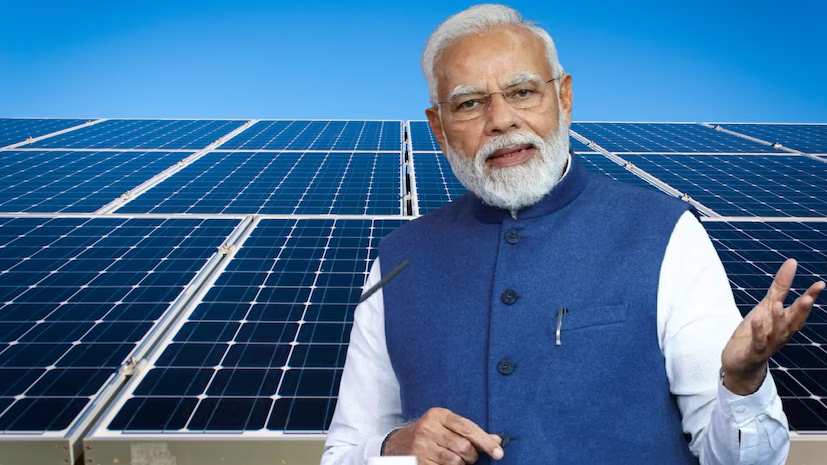
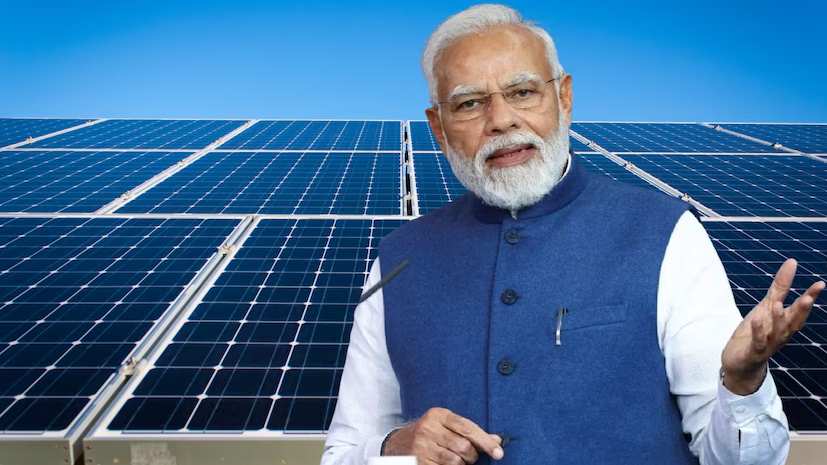
New Delhi / Hyderabad: With conventional energy tariffs climbing steadily across the country, the Central Government’s flagship scheme, PM Surya Ghar Muft Bijli Yojana, is emerging as a massive financial relief for middle-class households. By significantly lowering the entry barrier for residential rooftop solar adoptions, the policy transitions clean energy from a luxury to a mainstream utility.
Is a 1kW Solar System Right for Your Home?
A 1 Kilowatt (1kW) solar power setup is precisely engineered to cater to basic, low-load residential requirements.
Consumption Fit: It is ideal for 1-2 BHK apartments or small independent homes consuming roughly 3 to 5 units of electricity per day (averaging 120–150 units per month).
Load Capabilities: It comfortably supports 3–4 LED bulbs, 2–3 ceiling fans, a television, a Wi-Fi router, and standard device charging docks.
Limitations: A standard 1kW system is not designed to handle heavy inductive loads such as Air Conditioners (ACs), water geysers, or large refrigerators.
Cost Breakdown and Government Subsidies
The gross market rate to install a standard 1kW on-grid solar system (excluding battery backup) hovers around ₹85,000. This all-inclusive cost covers solar PV modules, a grid-tied inverter, mounting structures, net-metering allocation, and labor.
According to data shared by Aditya Prabhakar, Managing Director and Energy Expert at Vijayawada-based IGI Solars, the precise financial dynamics work out as follows:
Financial ComponentEstimated Amount / YieldGross Installation & Setup Cost₹83,700Central Government Subsidy (PM Surya Ghar)- ₹30,000 (Direct Benefit Transfer to Bank A/c)Net Out-of-Pocket Cost for Customer₹53,700Average Monthly Generation~ 120 Units (kWh)Financing and Low-Interest Bank Loans
To eliminate the burden of upfront costs, public sector undertakings like the State Bank of India (SBI), Bank of Baroda (BoB), Punjab National Bank (PNB), and prominent Non-Banking Financial Companies (NBFCs) are offering dedicated solar loans.
Tenure: Flexible repayment terms ranging from 3 to 7 years.
Down Payment: Minimal upfront margin money required, usually ranging between 10% to 30% of the total project value.
Return on Investment (ROI) and Lifecycle Yield
Monthly Savings: By generating up to 150 units of free power, consumers can slash their monthly electricity bills by roughly ₹1,200.
Payback Period: With the current subsidy structure, the system pays for itself within 4 to 6 years (stretching to 6–8 years without subsidies).
Asset Longevity: Modern solar panels carry a performance warranty of 20 to 25 years, while high-tier inverters easily last 8 to 12 years. Consequently, homeowners enjoy at least 15+ years of entirely free electricity post the capital recovery phase.
Low Maintenance: The system requires virtually zero operational overhead. Homeowners simply need to rinse the dust off the panels with water once every 7 to 15 days to ensure optimum solar irradiance capture.
Disclaimer
Note: The pricing, subsidy figures, and generation statistics highlighted in this report are based on the standard guidelines of the PM Surya Ghar Muft Bijli Yojana and metrics provided by regional solar contractors. Actual costs may vary depending on state-specific top-up subsidies, component brands, and site-specific structural requirements. Consumers are advised to verify latest updates on the official national portal before proceeding with procurement.